
Home Maintenance Tips for Indiana Homeowners
Seasonal home maintenance checklist for Indianapolis and Central Indiana homes.
Regular home maintenance helps prevent small issues from becoming expensive repairs. The seasonal tips below highlight common areas homeowners often overlook, especially in Indiana where changing weather conditions can affect roofs, plumbing, HVAC systems, and exterior materials. If you ever need help with repairs or inspections, you can learn more about our handyman services in Indianapolis and surrounding areas.

Spring Home Maintenance Tips
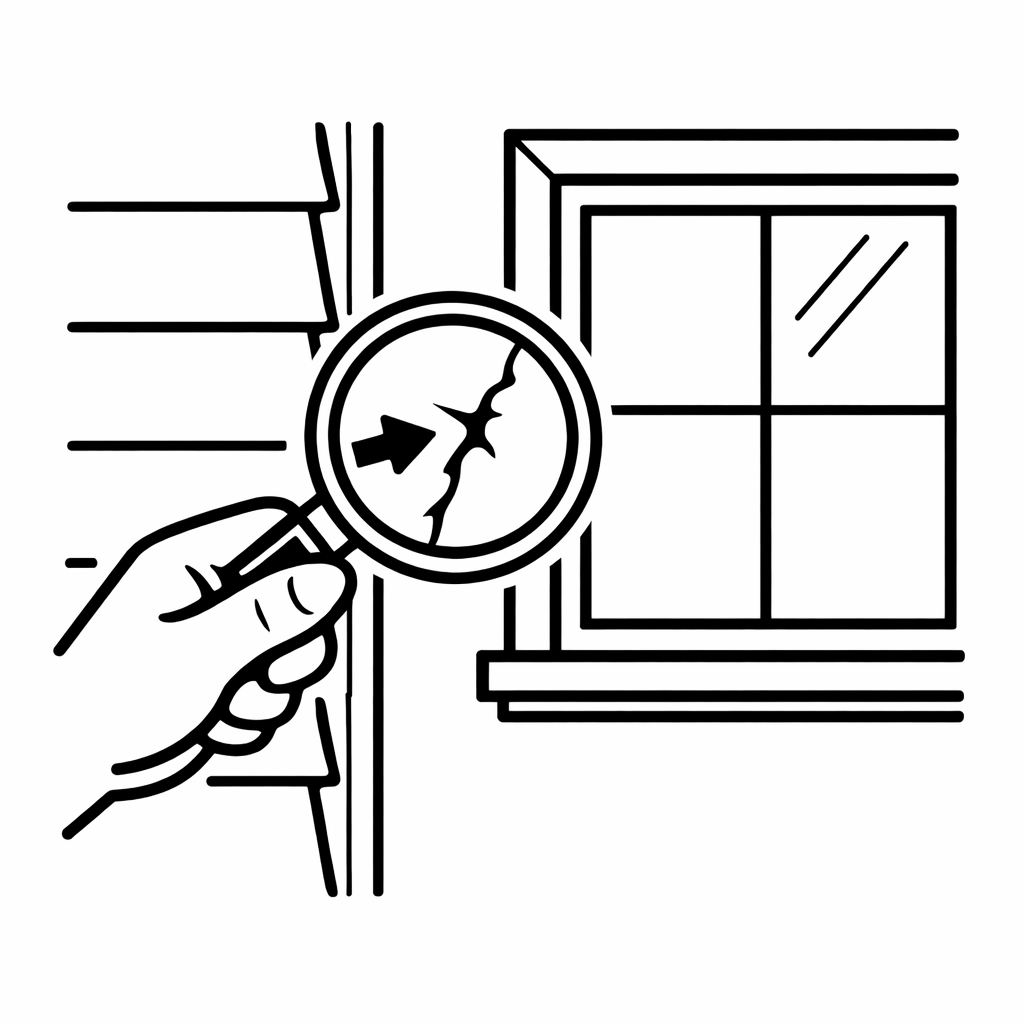
Inspect Exterior Caulking Around Windows and Trim
Exterior caulking can shrink or crack during winter temperature changes. Inspect the caulking around windows, doors, and exterior trim for gaps that could allow water intrusion. Reapplying caulk where needed helps protect siding, trim, and interior framing from moisture damage.
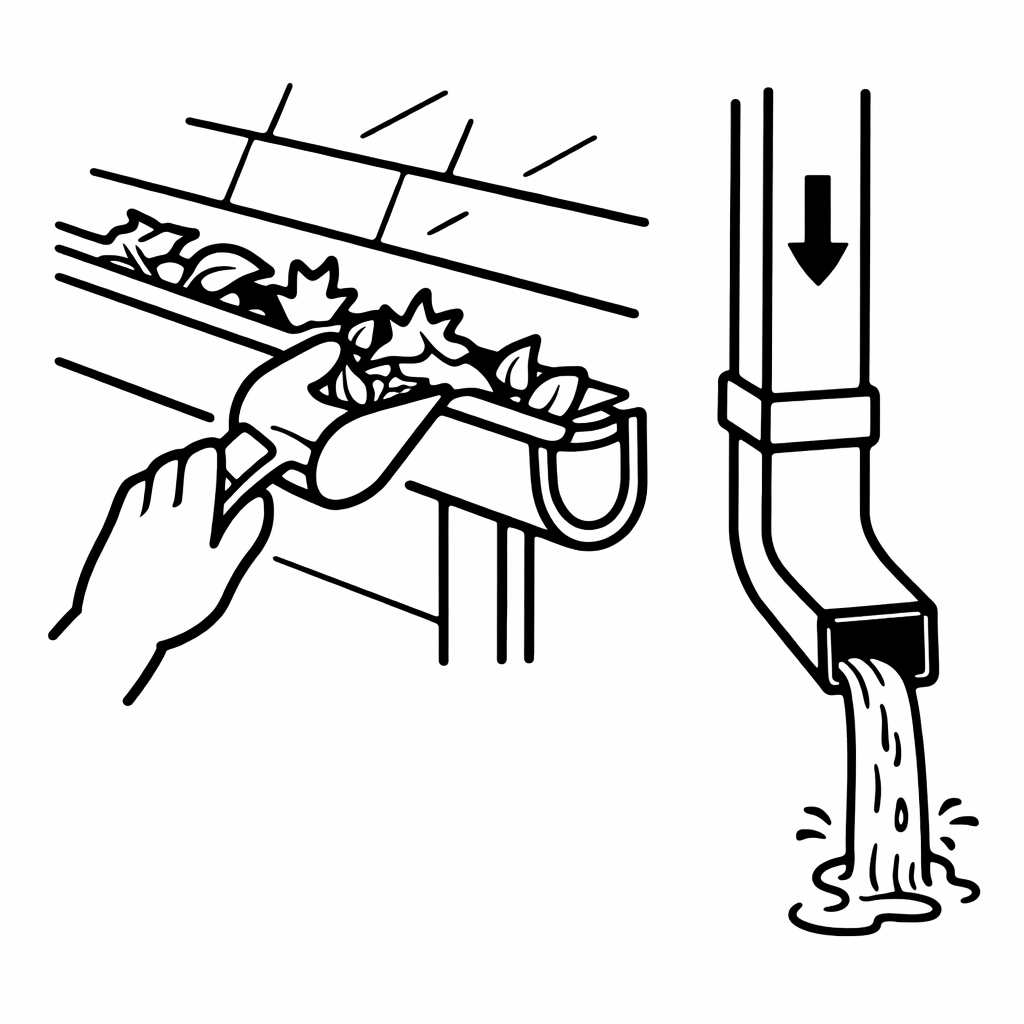
Clean Gutters and Check Downspouts
Spring is a good time to clear debris that accumulated over winter. Leaves and debris can block proper drainage and cause water to overflow against the home’s siding or foundation. Make sure downspouts direct water away from the foundation to help prevent moisture problems.
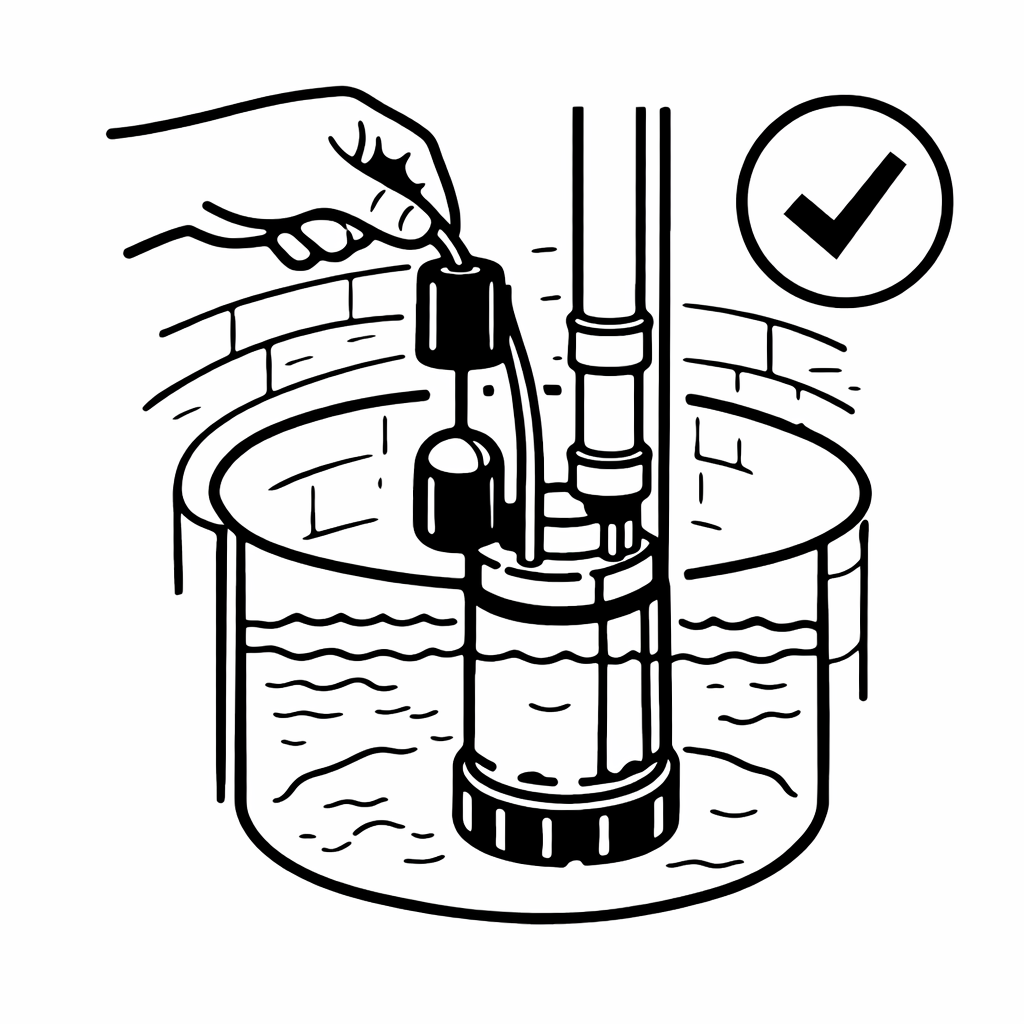
Inspect Your Sump Pump Before Spring Rains
Spring storms can put heavy demand on basement sump pumps. Verify that the float moves freely and confirm the pump activates properly when water is present. If your system includes a battery backup, make sure the battery is charged and ready in case of power outages.
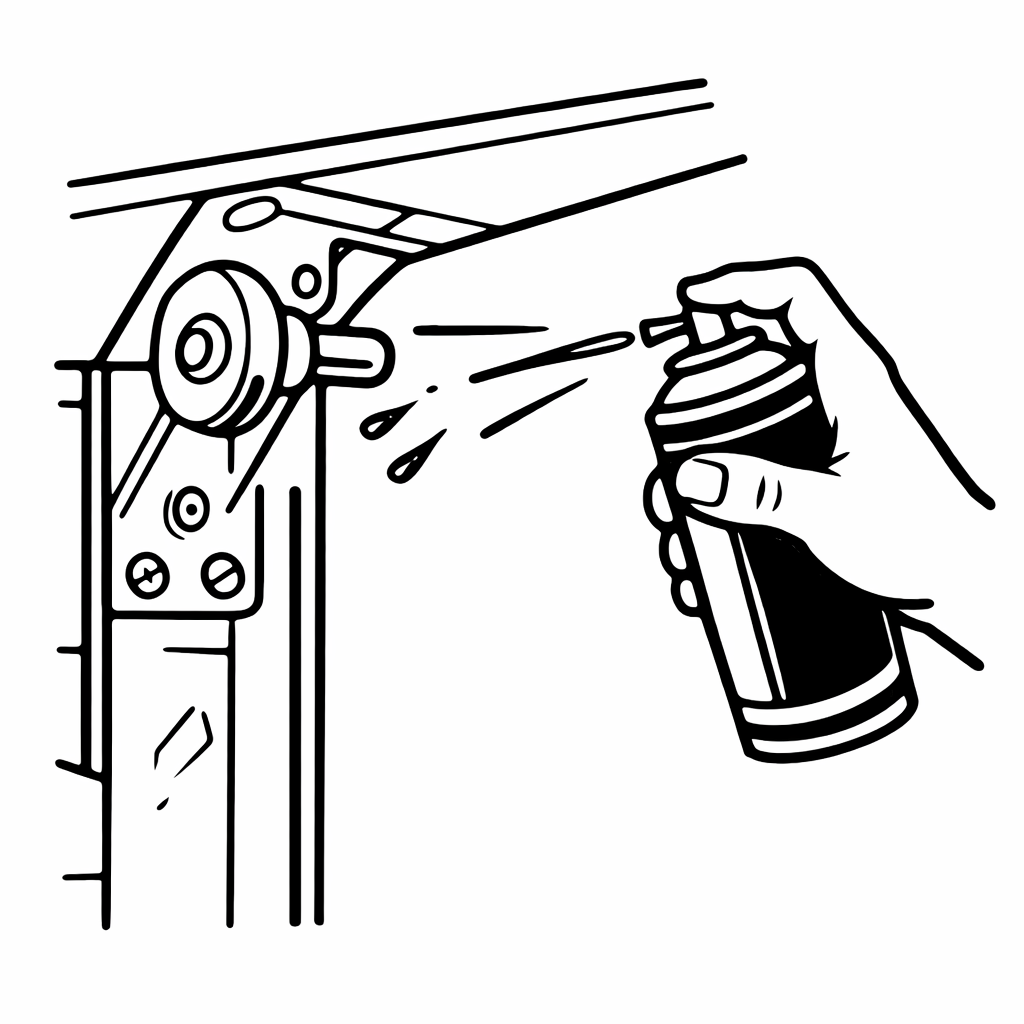
Lubricate Garage Door Rollers and Hinges
Garage doors rely on moving hardware that can dry out over time. Applying lubricant to rollers, hinges, and tracks helps reduce wear and keeps the door operating smoothly. Addressing minor noise or stiffness early can help prevent more serious garage door issues later.

Summer Home Maintenance Tips
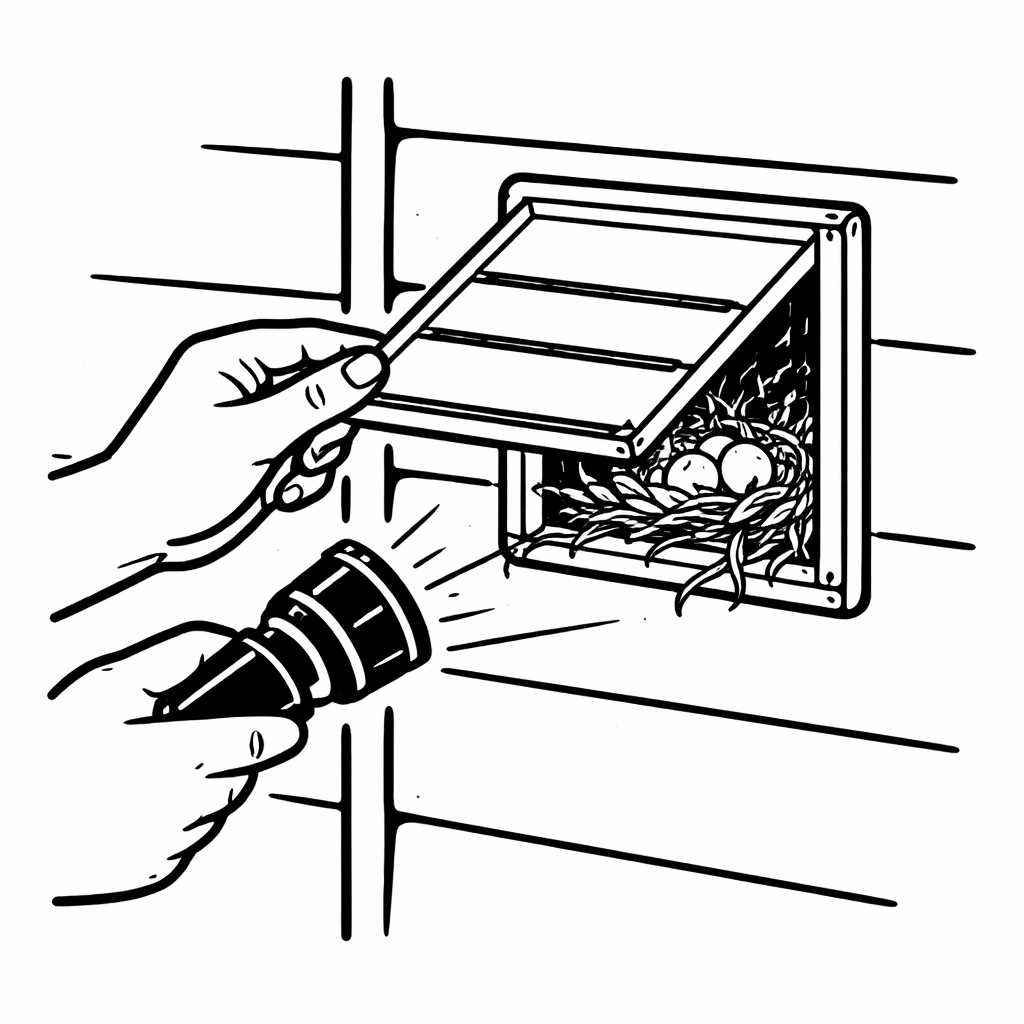
Inspect Exterior Vent Covers for Nests or Blockages
Exterior vent covers for dryers, bathroom fans, and kitchen exhaust systems can attract birds or insects looking for nesting spots. Blocked vents restrict airflow and can reduce the effectiveness of ventilation systems. A quick visual inspection helps ensure vents remain clear and functioning properly.
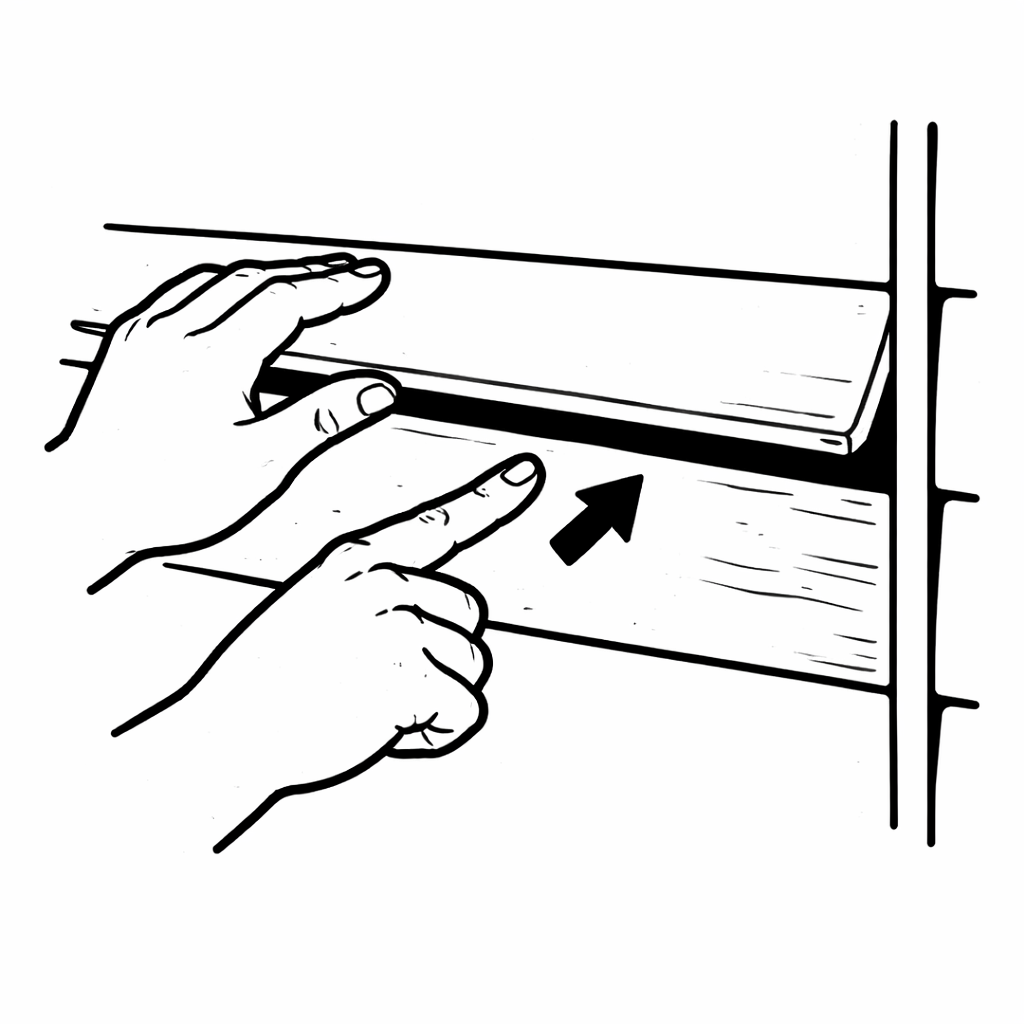
Inspect Siding for Loose Panels or Gaps
Wind, temperature changes, and normal settling can cause siding panels to loosen or shift. Small openings can allow rainwater to get behind siding and lead to hidden moisture damage. Periodically checking siding helps catch these issues early before larger repairs are needed.
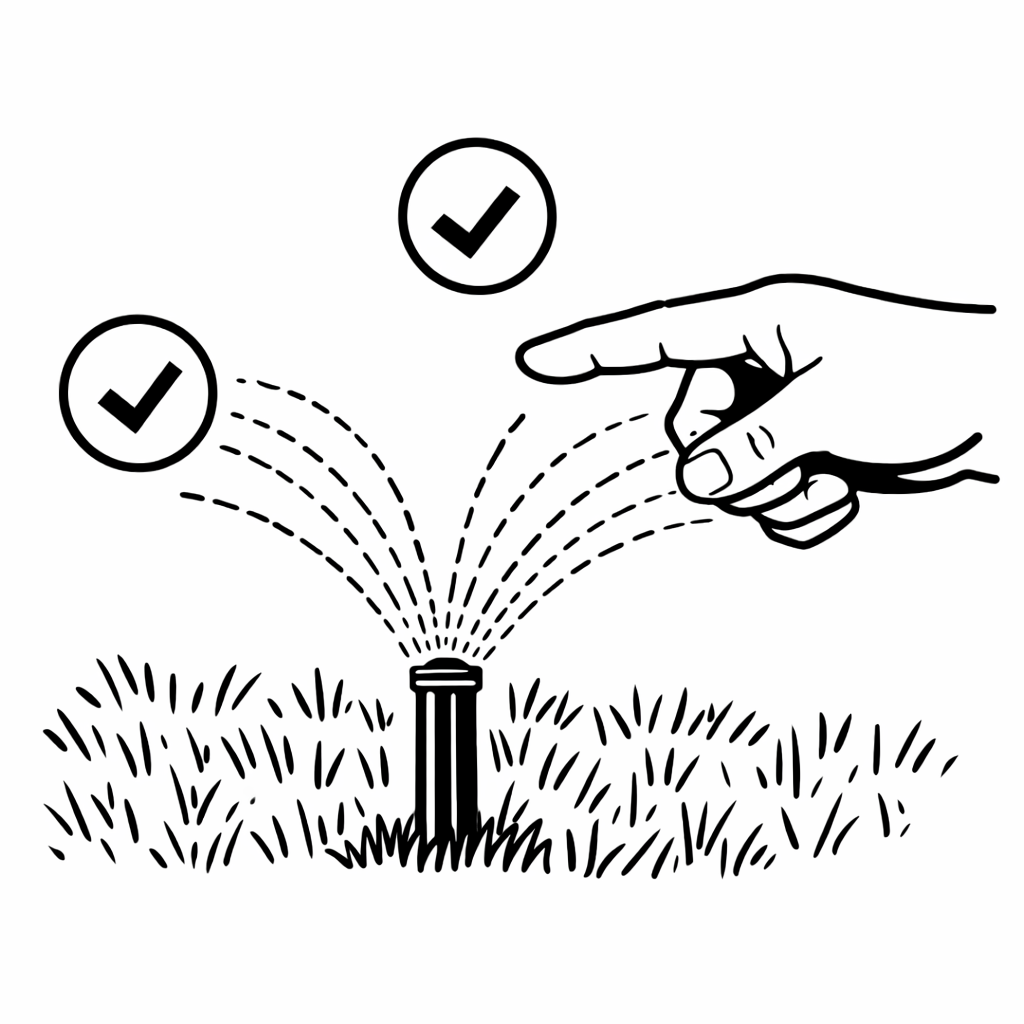
Check Irrigation Spray Heads for Proper Coverage
Debris, grass growth, or clogged filters can disrupt irrigation spray patterns. Walk through your yard occasionally while the system is running to confirm that each head is spraying correctly. Proper coverage helps prevent dry spots and ensures watering systems are working efficiently.
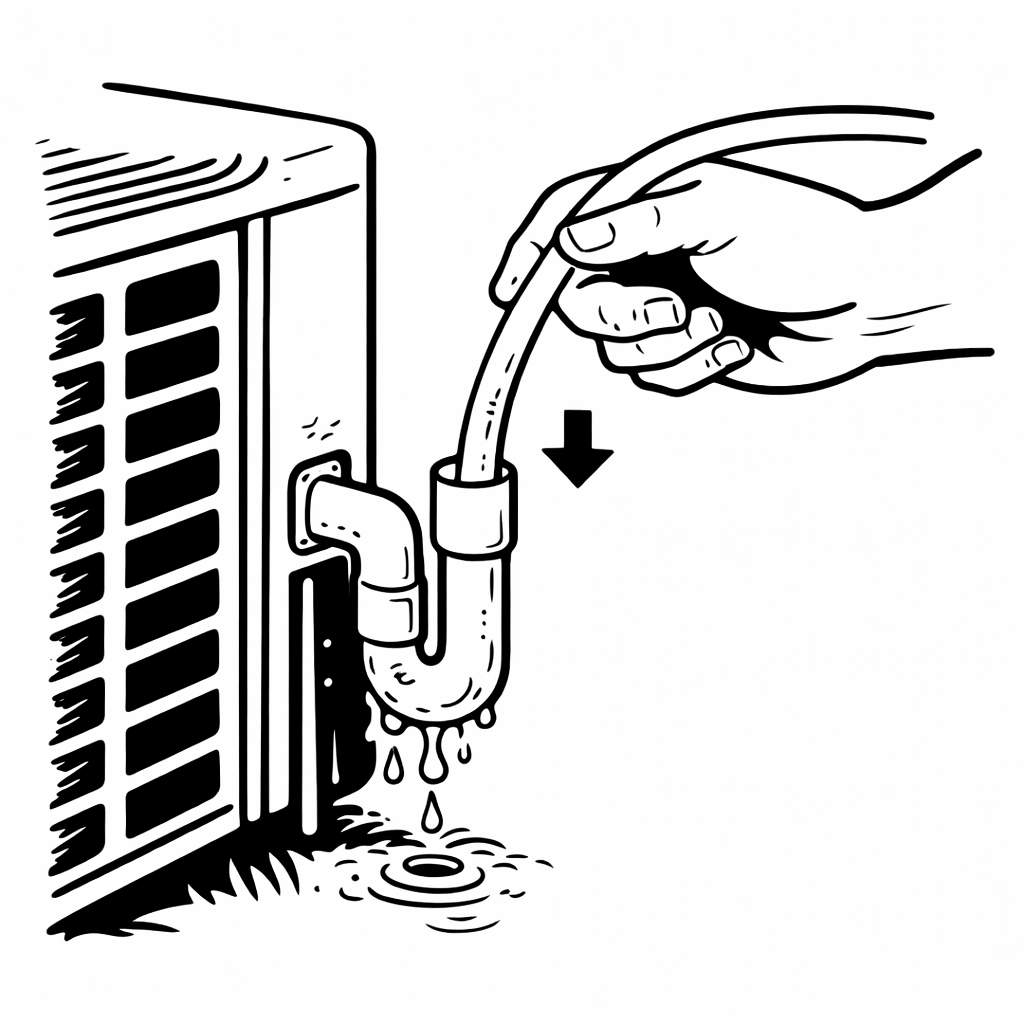
Check and Clear Your AC Condensate Drain Line
Air conditioners remove moisture from indoor air, which drains through a condensate line. Over time this line can become clogged with debris or buildup. Checking that the drain line flows freely helps prevent water backups and potential indoor moisture damage.

Fall Home Maintenance Tips
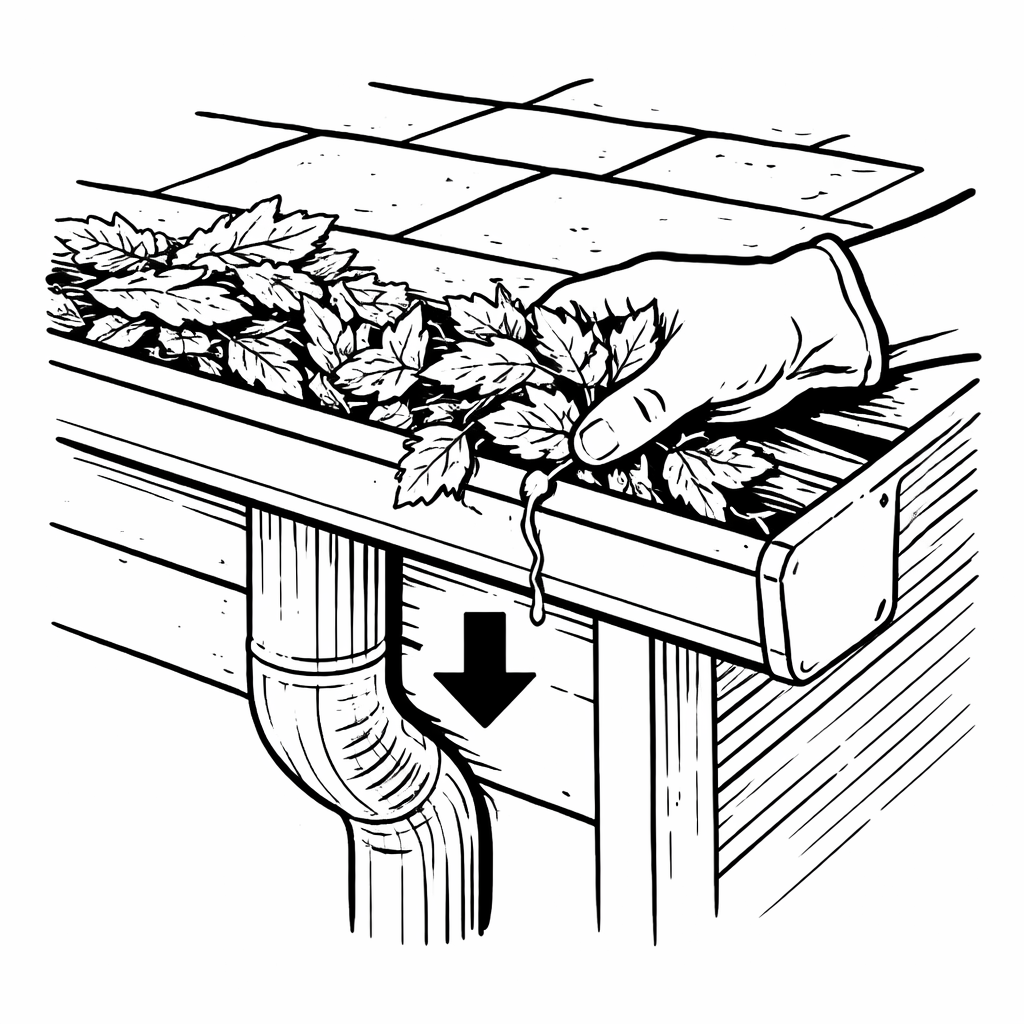
Clean Gutters and Downspouts Before Leaf Buildup
Falling leaves can quickly clog gutters and restrict water flow. Cleaning gutters before heavy leaf accumulation helps maintain proper drainage during fall storms. Properly functioning gutters help protect siding, roofing edges, and foundations from water damage.
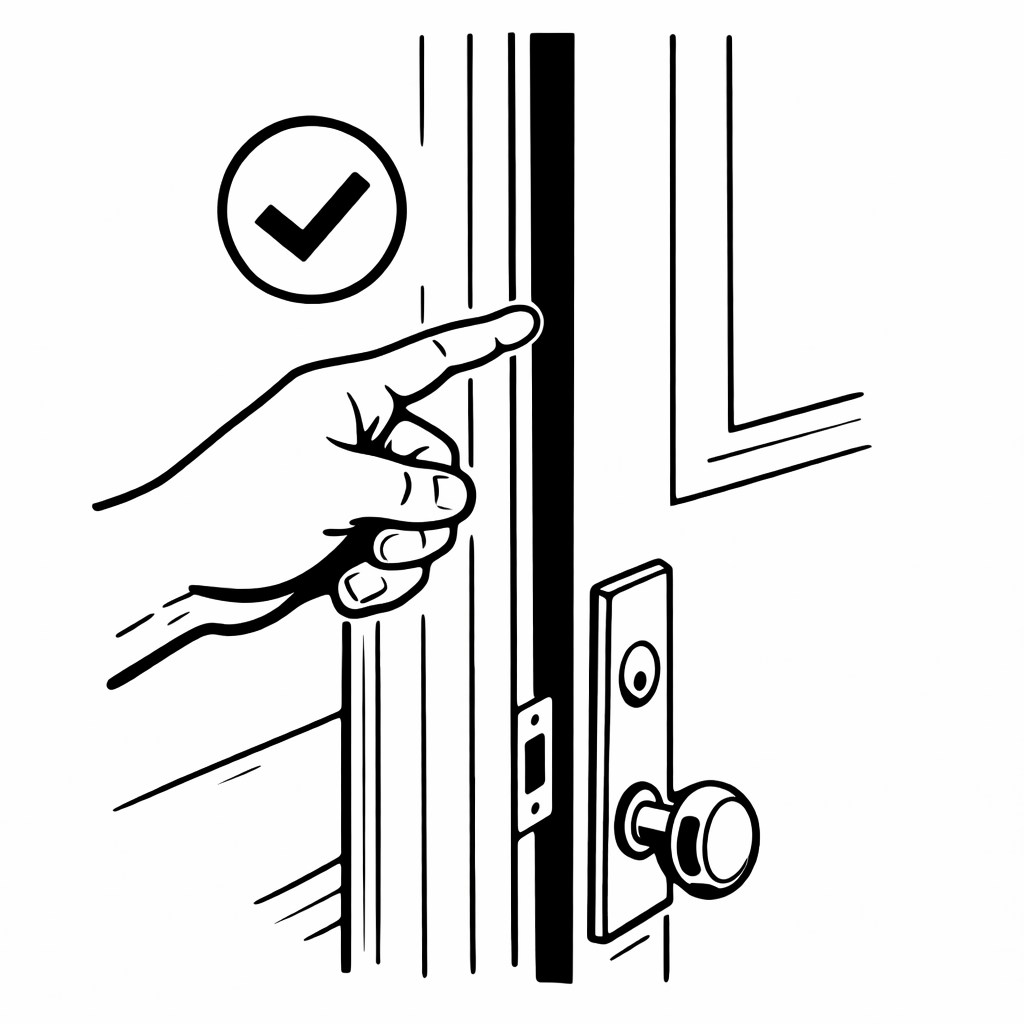
Check Weatherstripping Around Doors and Windows
Weatherstripping helps seal small gaps around doors and windows. Over time it can become brittle or compressed, allowing drafts and heat loss. Replacing worn weatherstripping helps improve energy efficiency and indoor comfort as colder weather approaches.
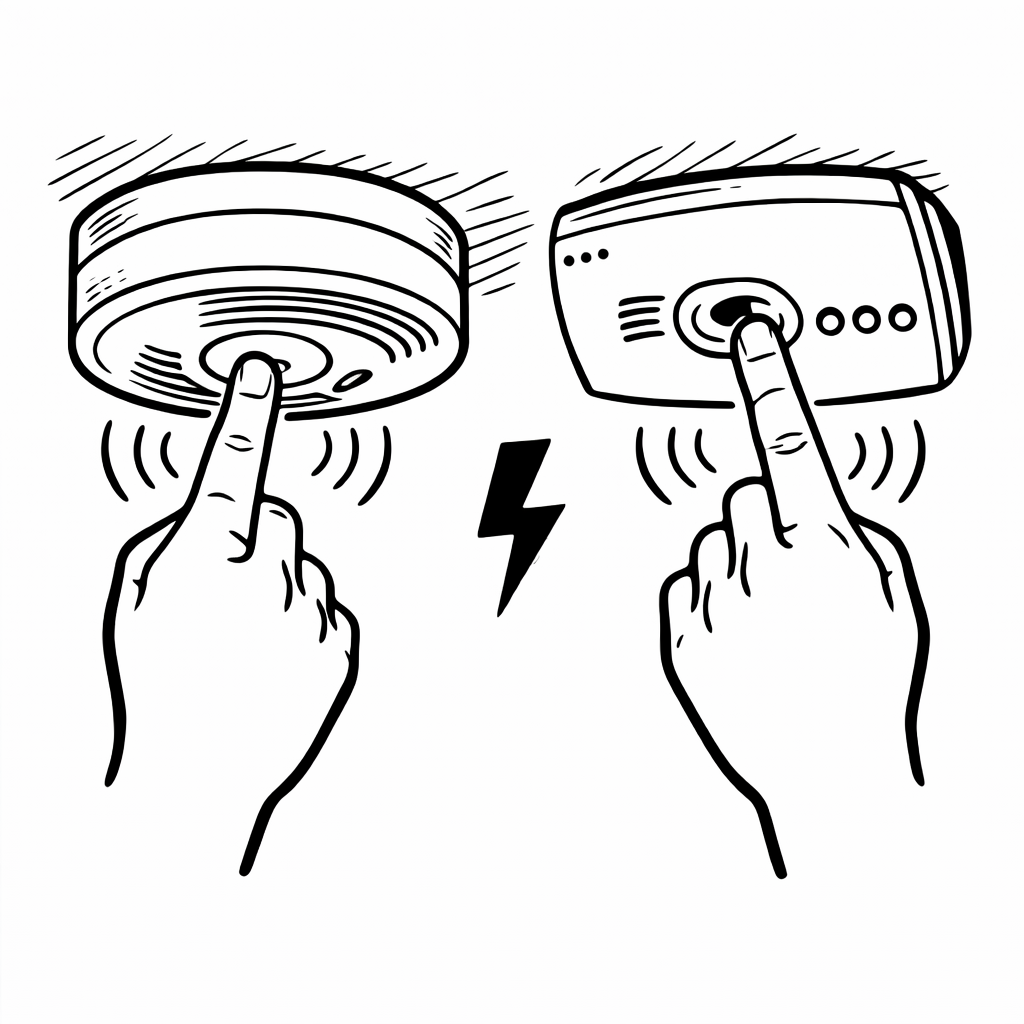
Test Smoke and Carbon Monoxide Detectors
Smoke and carbon monoxide detectors play a critical role in home safety. Test all detectors periodically and replace batteries if needed. Ensuring these devices work properly is especially important before heating systems begin running more frequently.
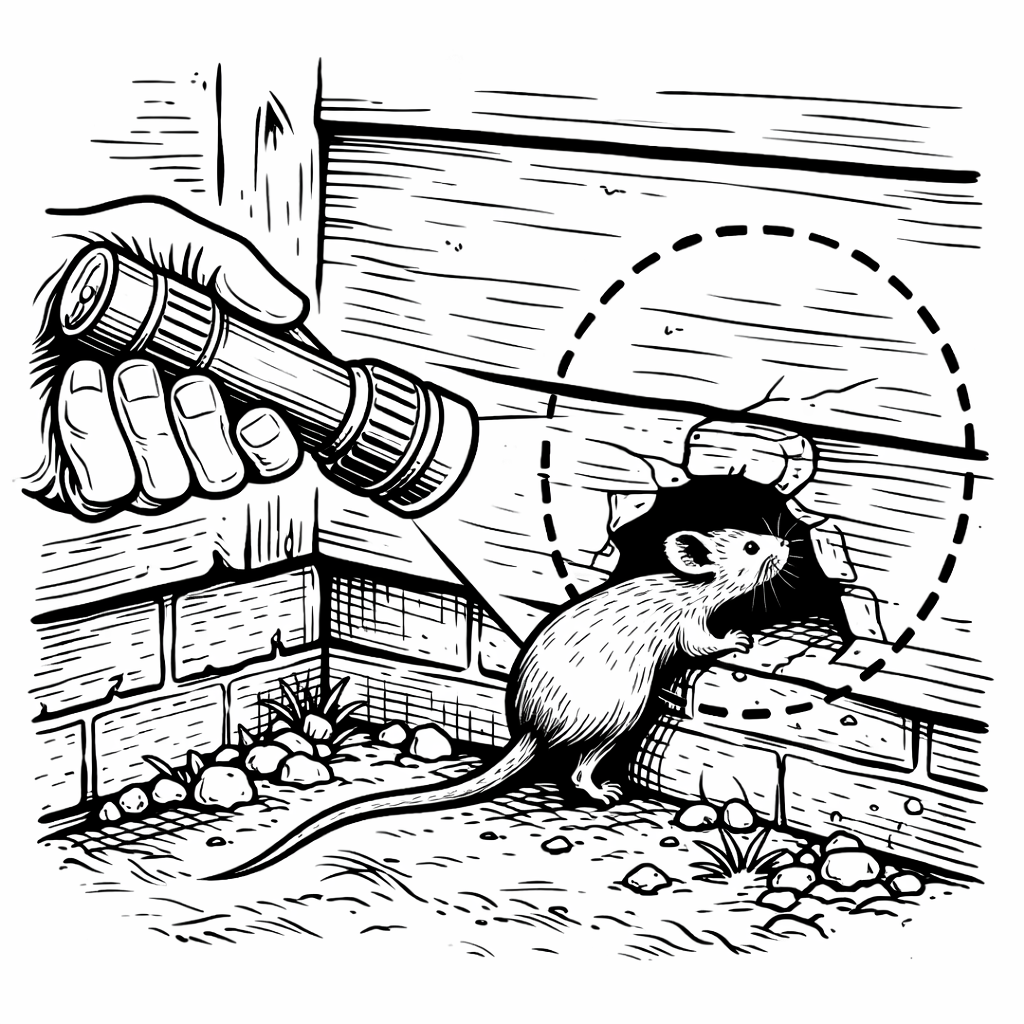
Inspect Exterior for Gaps Where Rodents Could Enter
As temperatures drop, small rodents often look for warm shelter inside homes. Check around foundations, siding penetrations, and utility entry points for small openings. Sealing gaps early helps prevent unwanted pests from entering the home during winter.

Winter Home Maintenance Tips
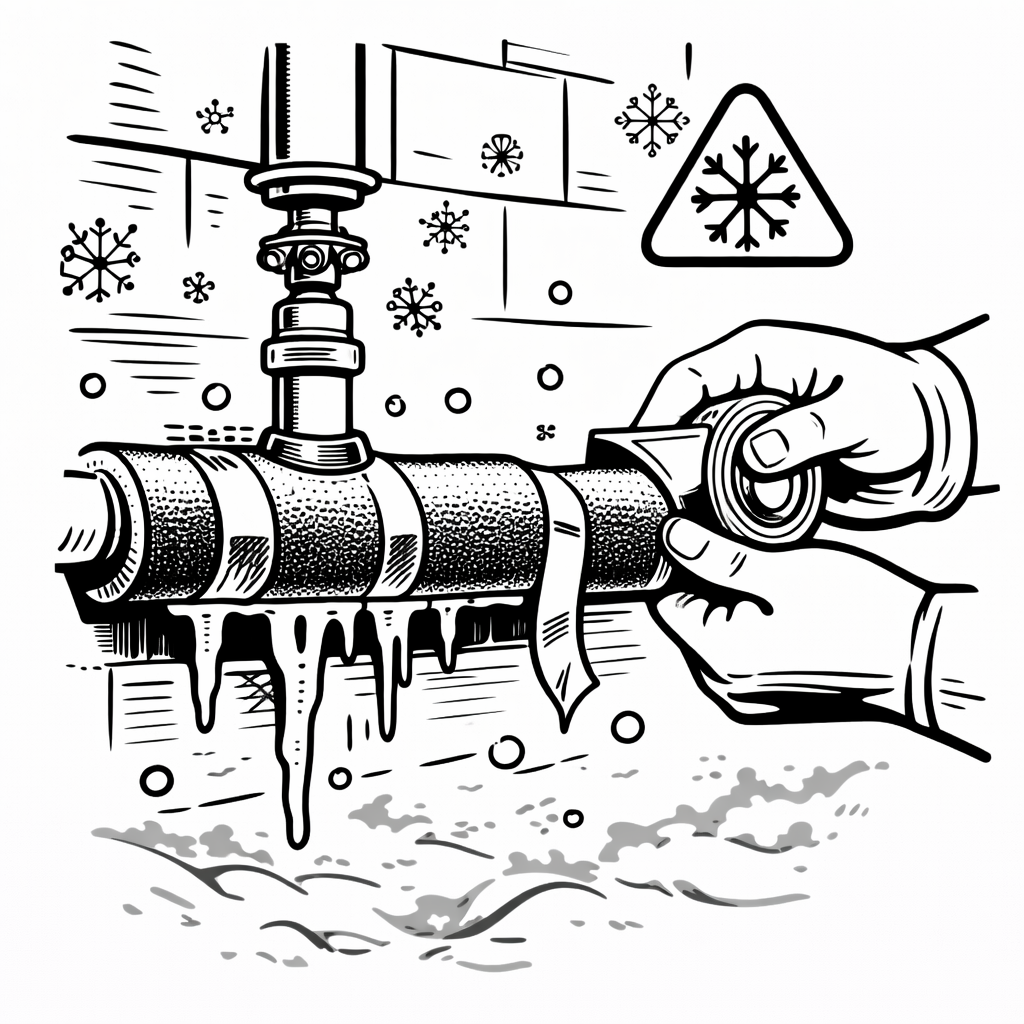
Protect Exposed Plumbing in Cold Areas
Pipes located in garages, crawlspaces, or exterior walls can be vulnerable during freezing temperatures. Insulating exposed plumbing helps reduce the risk of frozen pipes and potential water damage. A quick inspection before deep winter arrives can help prevent costly repairs.
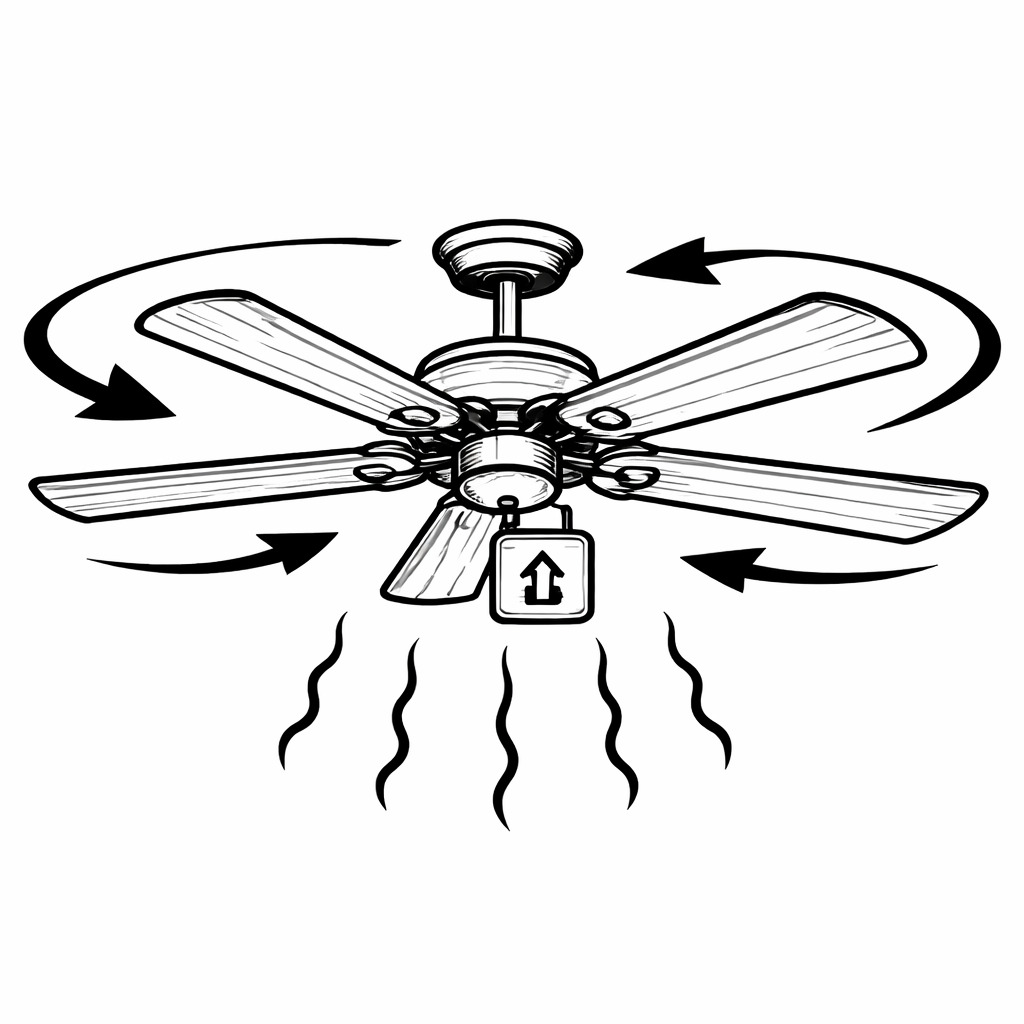
Reverse Ceiling Fans for Winter Airflow
Many ceiling fans include a reverse setting designed for colder months. Running fans in reverse helps push warm air down from the ceiling and distribute heat more evenly. This simple adjustment can improve comfort and heating efficiency.
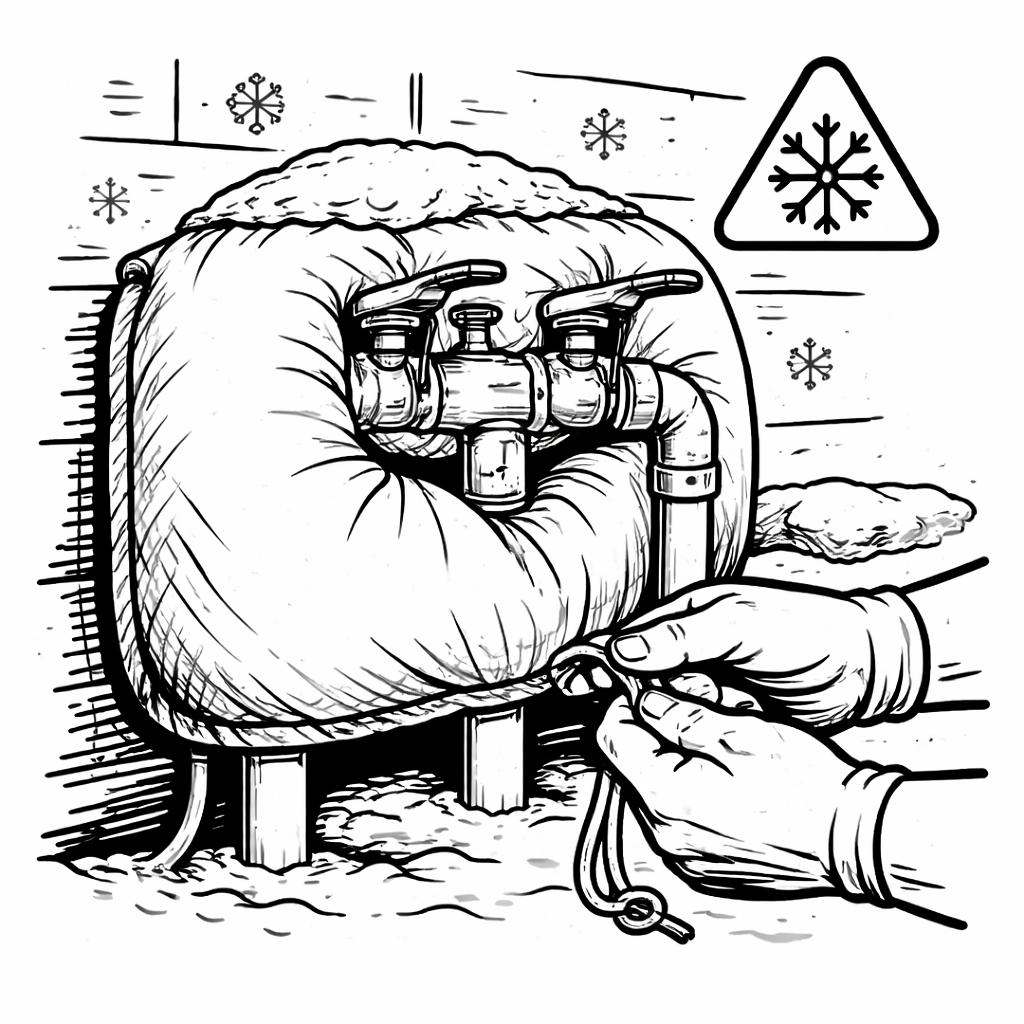
Protect Irrigation Backflow Preventers from Freezing
Backflow preventers and exposed irrigation valves can crack if water inside them freezes. Covering or insulating these components during winter helps prevent freeze damage. Taking a few minutes to protect irrigation equipment can help avoid expensive replacements later.
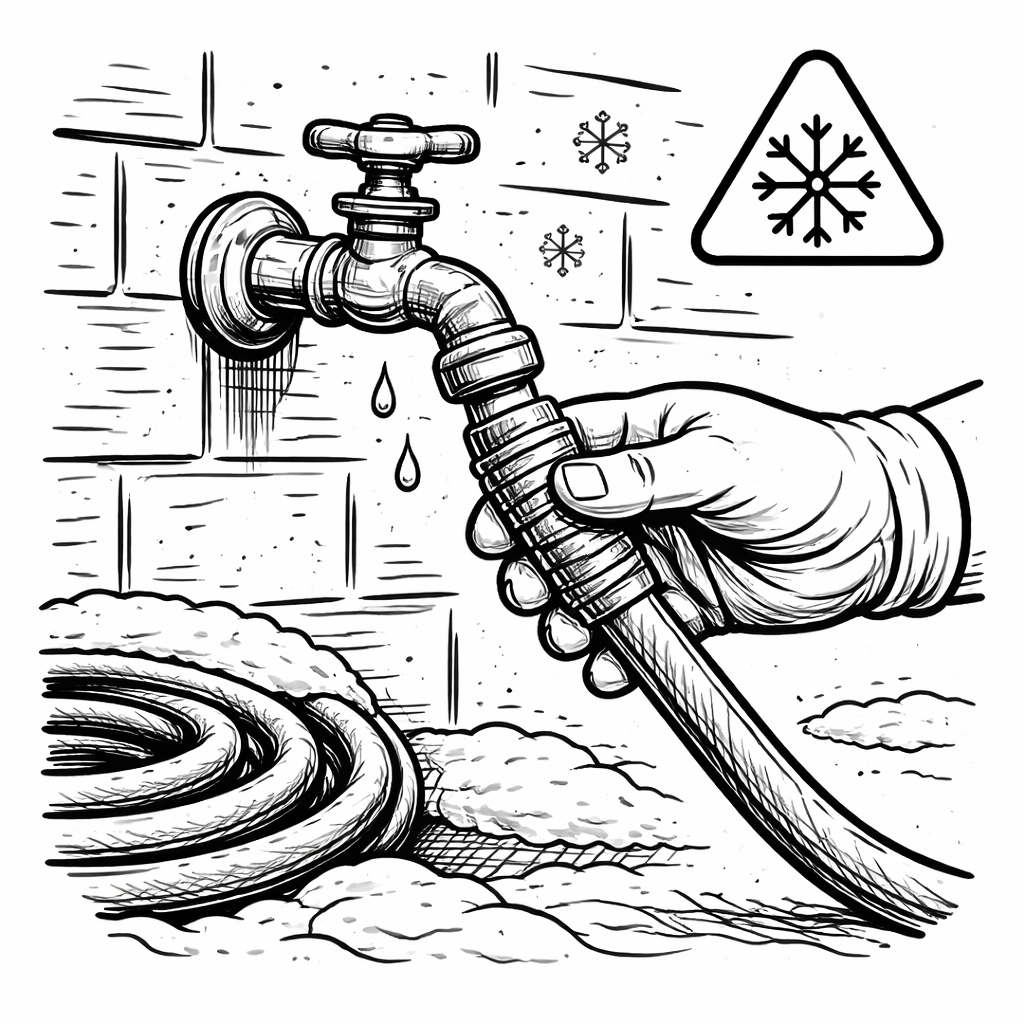
Disconnect Garden Hoses Before Freezing Weather
Leaving hoses connected to outdoor spigots can trap water inside the plumbing line. This trapped water may freeze and cause damage to the faucet or pipes inside the wall. Disconnecting hoses before freezing temperatures arrive helps protect the plumbing system.
These maintenance tips are helpful for homeowners throughout Indianapolis, Carmel, Westfield, Geist, McCordsville, Fortville, Fishers, and Lawrence, where seasonal weather can impact homes.
If you notice repairs or maintenance issues that need professional attention, you can view examples of our completed projects in our Portfolio or contact us to discuss your project. We also provide Indianapolis handyman services for homeowners throughout the Indianapolis area.